Commercial Roof Replacement vs. Repair: How Long Island Owners Should Decide
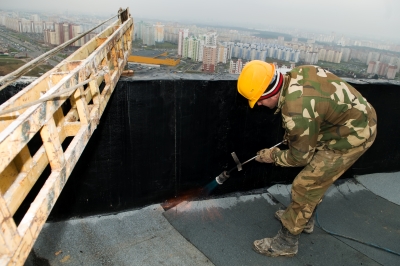
You want the truth about your roof, not guesswork. If you manage a building in Long Island, NY, the choice between commercial roof replacement and repair affects tenants, operations, and risk. This guide explains how to decide with confidence, and when a focused commercial roof repair is the smart move.
What Drives the Decision in Long Island, NY
Every roof has a story: age, workmanship, daily foot traffic, and seasons. On Long Island, winter nor’easters, spring downpours, summer UV, and fall wind events stress seams, flashing, and drainage. Your decision comes down to safety, risk, and total lifecycle value. You do not have to gamble. Start with a thorough inspection and a written plan that weighs short-term fixes against long-term protection.
When research leads you here because you’re comparing options for commercial roof replacement Long Island NY, remember that the best choice is the one that lowers risk and keeps your building predictable through the next storm season.
When Commercial Roof Repair Makes Sense
Repair solves defined problems on roofs with solid overall health. It is most effective when degradation is isolated and the membrane, insulation, and decking still have service life left.
- Leaks are traceable to a clear source, like a single seam, penetration, curb, or flashing point.
- Ponding is limited and due to clogged drains or minor slope issues that can be corrected.
- Damage is local, such as wind-lifted edges after a South Shore blow or a puncture near an HVAC unit.
- Moisture scans do not show widespread wet insulation.
Repairs should be targeted and documented. Ask for photos before and after, materials used, and warranty details on the fix. **Never ignore an active leak**, even if it only appears during heavy rain. Moisture spreads silently and can shorten your roof’s remaining service life.
When Commercial Roof Replacement Is the Smarter Move
Replacement becomes the safer, more economical choice when the roofing system is failing in multiple areas, or when ongoing repairs eat time and attention. It is also wise if the roof no longer meets the needs of your building’s use.
- There are recurring leaks in different zones after storms or temperature swings.
- Large areas of wet insulation are found during moisture surveys.
- The membrane shows widespread cracking, shrinkage, or seam failure.
- Repairs are happening more often and their results do not last through a season.
Think of it like a delivery truck with a failing engine. You can replace individual parts, but there is a point where reliability matters more than squeezing out a few extra miles. **Do not base the decision on upfront cost alone**. A predictable, warrantied replacement may protect tenants, equipment, and schedules far better than patchwork fixes.
How Age, Warranty, and Risk Factor In
Age alone does not decide the outcome. Some Long Island roofs look great past their expected timeline because maintenance was steady and access was controlled. Others fail early because of heavy foot traffic or poor drainage. Review:
Age and history: Older systems with a record of major repairs are higher risk. Newer roofs with installation issues may still be candidates for targeted remediation if caught early.
Warranty: Manufacturer and contractor warranties vary. Follow maintenance requirements so coverage stays valid. Keep records of inspections, repairs, and photos.
Risk tolerance: If your building houses healthcare equipment, refrigerated goods, data rooms, or busy retail, your risk tolerance is lower. In those cases, a replacement that removes uncertainty can make the most sense.
Weather and Building Use Considerations on Long Island
Long Island roofs face salt air along the South Shore, lake-effect cold snaps pushing across Nassau and Suffolk, and fast temperature swings that open seams and stress flashing. Facilities near the Route 110 corridor, industrial parks in Hauppauge, and campuses around Hempstead and Garden City also see heavy rooftop traffic for equipment service. **Limit unnecessary rooftop access** and require walk pads to protect the membrane in high-traffic paths.
Local tip: Schedule professional inspections in late spring and early fall. After a nor’easter or tropical remnant, ask for a same-week check of drains, seams, and parapets. Small issues caught early save time and keep tenants happy.
A Simple Framework to Decide: Repair or Replace
Use this practical scorecard when you review inspection results with your contractor:
Choose repair if the roof is structurally sound, moisture intrusion is localized, and repairs are likely to hold through the next weather cycle. Ask for a near-term maintenance plan with checkpoints after major storms.
Choose replacement if there is system-wide deterioration, repeated leaks in different areas, or significant wet insulation. Consider your timeline. Planning a replacement before winter or during a scheduled shutdown can reduce disruption.
Common Findings On Long Island Roofs, Explained
Ponding water: Flat and low-slope roofs are normal here, but water that lingers invites membrane stress and organic growth. Clearing drains helps, but persistent ponding may signal slope or structural issues that merit a bigger plan.
Seam and flashing issues: Daily temperature swings open seams and dry out sealants. HVAC curbs and skylights are frequent leak sources. Repair is often effective if caught early and the membrane is otherwise healthy.
Blisters and punctures: Foot traffic to rooftop units in Melville or Ronkonkoma can lead to punctures. Blisters can be evaluated; some are harmless, others are warning flags. Your inspection report should note size, spread, and risk.
What an Inspection Should Include
Ask for a methodical, photo-documented assessment with testing as needed. The goal is a clear map of current conditions and risk hotspots, followed by options.
- Visual review of seams, terminations, penetrations, parapets, and equipment curbs
- Drainage check and debris removal around scuppers and gutters
- Moisture detection methods appropriate for the roof type
- Core samples if needed to verify layers and confirm saturation
Want a starting point that prioritizes safety and speed? See how H. Klein & Sons, Inc. approaches targeted fixes with our page on commercial roof repairs so you know what to expect in the early stages.
If Replacement Is Best, Align It With Your Goals
When a new system is the right answer, plan for uptime, comfort, and energy performance. Consider reflective options where appropriate, coordinate with HVAC upgrades, and schedule work to limit tenant impact. If your property is near the coast, discuss edge securement and details that stand up to wind-driven rain. If your building supports labs, healthcare, or cold storage, review penetration flashing and curb details with extra care.
Even when replacement is chosen, beware of scope creep. **Insist on a clear scope, submittals, and milestones** so your project stays predictable and the finished system earns its warranty.
Maintenance Keeps Either Choice Working Longer
Whether you repair or replace, steady care protects your investment. Build a simple calendar with spring and fall visits and quick checkups after named storms. If you do not have a plan, start one now with a routine roof maintenance program that fits your building’s use and access needs.
For a deeper dive on why prevention wins, read this short piece from our team: 3 important aspects of preventative maintenance for commercial roofs. It explains how inspections, basic repairs, and coatings work together to extend service life.
Realistic Timelines and Disruption Planning
In busy hubs like Mineola, Brookhaven, and Huntington, staging and access matter as much as the roof itself. Plan delivery routes, crane days, and quiet-hour work windows in advance. If you operate medical suites or schools, coordinate after-hours work and clear communication so occupants know what to expect. Repairs are often same-day or short-duration. Replacements take longer and should be sequenced to protect critical entries and MEP equipment.
How to Work With a Commercial Roofing Contractor You Can Trust
Choose a partner that shows up with photos, moisture data, and options. You want recommendations that explain trade-offs, not pressure. Expect written scopes, material data sheets, safety plans, and job progress updates. Local experience on Long Island matters because crews who know our weather and building stock can spot problems faster and choose details that last.
Your Next Step
If you are weighing your options, start by getting an inspection report and an apples-to-apples repair-versus-replacement plan. Then decide with confidence. When you are ready, talk with H. Klein & Sons, Inc. at 516-746-0163 about the right path for your building. If you need fast help to stabilize leaks while you decide, our team handles focused commercial roof repair in Long Island that buys you time and protects your tenants.
Want a complete picture of services beyond repair and replacement? Visit our overview of commercial roofing services to see how planning, materials, and maintenance work together for long-term performance.
Make the Call With Confidence
Repair when problems are isolated and the system is otherwise healthy. Replace when failures occur across zones or when reliability is your top priority. Long Island weather will test every decision you make on a roof. With clear data, steady maintenance, and a trusted partner, you will keep your building safe, dry, and predictable through every season.
To review your options or schedule an assessment this week, connect with H. Klein & Sons, Inc. at 516-746-0163. Our local team is ready to help you choose the best path for your property.
To get ahead of leaks and protect your investment, book your slot for commercial roofing repairs before the next rain rolls through Long Island, NY by calling 516-746-0163 or completing our online request form.