
Best Flat Roofing Systems for a Coastal Climate in Long Island, NY
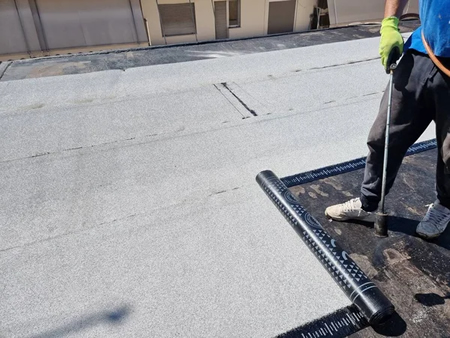 Choosing the right flat roofing system in Long Island, NY is not just about looks. Coastal wind, salt spray, and strong sun make performance the priority. If you manage a property in Mineola, Long Beach, Hempstead, or the Hamptons, the membranes and details you select today will decide how your roof handles the next nor’easter. To see options and installation standards, explore our flat roofing services and compare what fits your building best.
Why Coastal Long Island Demands The Right Flat Roofing System
Our shoreline climate brings high humidity, salt in the air, freeze and thaw cycles, and gusty winds. Each factor stresses seams, flashings, and insulation.
That is why single-ply membranes with strong seams, durable surfacing, and smart drainage design often outperform generic systems near the water. Never ignore standing water beyond 48 hours; it shortens membrane life and can lead to leaks inside tenant spaces.
PVC Roofing: Strong Seams and Salt Resistance
PVC is a white, reflective single-ply with heat-welded seams. Welds create a continuous sheet that is highly resistant to wind lift when fastened or adhered correctly. PVC tolerates salt spray well and is also a solid pick where rooftop grease or chemical exposure may happen, like food courts or cafeterias.
Consider PVC if your roof sees regular foot traffic for equipment service. Add walkway pads at doors and service paths so boots do not grind grit into the membrane. Heat-welded seams matter near the water because gusts and thermal movement test every joint.
TPO Roofing: Reflective and Energy-Conscious
TPO is another white, heat-welded single-ply known for its bright, reflective surface. It helps reduce heat gain during summer on exposed roofs in Islip, Patchogue, and Riverhead. Modern TPO formulations are engineered to handle UV and heat while keeping seams tight when installed to spec.
Choose TPO for wide, open roof areas with limited chemical exposure. Match it with tapered insulation that promotes positive drainage to interior or perimeter drains. Pairing TPO with a light-colored paver path helps direct service traffic and keeps the field membrane cleaner.
EPDM Roofing: Time-Tested Rubber for Quiet, Low-Traffic Roofs
EPDM is a flexible black or white rubber membrane with a long track record. It absorbs heat more than white membranes but handles cold temperatures and movement very well. For shaded or north-facing roofs in places like Glen Cove or Northport, EPDM can be a smart, durable choice.
Because EPDM seams are taped or adhered, workmanship is critical. Specify compatible coverboards and flashings, and plan for protection where technicians set ladders or move parts. If reflectivity is desired, white EPDM is available; ask how it compares for your site conditions.
Modified Bitumen and Built-Up: Durable Layers for Heavy Use
Modified bitumen and built-up roofs use multiple layers for toughness. They suit smaller roofs with complex edges or frequent foot traffic. Surfacings can be mineral cap sheets or coatings that stand up to scuffs from tools and equipment.
These systems shine on older buildings with many penetrations where detail work matters most. Request reinforced base sheets at corners, curbs, and parapets. Protect high-traffic zones with walkway systems to prevent premature wear.
Quick Guide: Which System Fits Your Building?
- PVC: coastal sites with salt spray, bright white reflectivity, heat-welded seams, and good chemical tolerance.
- TPO: reflective efficiency on wide open roofs, welded seams, and value-focused performance when drainage is designed well.
- EPDM: flexible, proven membrane for shaded or low-traffic roofs, excellent in cold snaps and on roofs with movement.
- Modified/Built-Up: layered durability for complex edges or frequent foot traffic with robust surfacing.
Want a deeper dive on materials? See this overview of commercial flat roofing options to compare how EPDM, TPO, and PVC are applied.
What Matters Most During Flat Roof Installation
Great roofing starts with design. Drain placement, tapered insulation, and expansion details decide how a roof handles storms, not only the membrane brand. Ask for a plan set that calls out fastening patterns, perimeter enhancements, and flashing heights.
Installation quality controls are just as important. A professional crew will probe test welded seams, check fastener pull-out values, and seal edges. They will document substrate moisture before starting so new materials are not trapped over wet decks.
- Confirm the substrate is dry and sound before coverboard and membrane go down.
- Use wind-rated edge metal at perimeters and corners where gusts hit hardest.
- Protect around HVAC, vents, and ladder landings with pads and reinforced flashing.
- Verify tapered insulation creates slope to drains or scuppers across the field.
If you want help comparing details for your building, our team at H. Klein & Sons, Inc. performs assessments and proposes the right build-up. Learn more about our broader commercial roofing capabilities to see how everything ties together from repair to replacement.
Design For Drainage On Long Island Roofs
Flat roofs are not truly flat. They need slight, consistent slope to move water off the field. In areas near the bay or ocean where wind-driven rain is common, drains and scuppers should be accessible and guarded so leaves and sand do not block flow.
Ponding that lingers after fair weather is a warning sign. It can overload structure, stretch seams, and stain ceilings below. A tapered overlay or new drain locations may be part of a long-term fix recommended after a professional inspection.
Maintenance That Extends Roof Life
Every roof needs a plan. Two scheduled professional inspections per year, plus a check after major storms, help catch small issues early. Service calls often focus on seams, flashings, pitch pockets, and drain bowls, which are the usual suspects for leaks.
When maintenance crews document repairs with photos and notes, it supports warranty requirements and keeps tenants informed. On coastal sites from Freeport to Westhampton, rinsing salt residue during scheduled maintenance can also help membranes and metals age more gracefully.
Budget, Energy, and Appearance
White membranes like PVC or TPO reflect sun and can help reduce cooling loads in summer. Dark membranes like black EPDM absorb heat, which can be desirable in winter but warmer in July. Many owners in Nassau and Suffolk choose white roofs for comfort and appearance when seen from upper floors.
If your organization tracks energy use, consider insulation thickness as a lifetime investment. The right R-value paired with a reflective surface can improve year-round performance and tenant comfort.
How To Compare Bids With Confidence
When estimates arrive, look beyond the logo on the roll. The scope, details, and accessories make or break a roof. The lowest price can cost more over time if slope and edges are not addressed.
Use this checklist when reviewing proposals from any contractor:
- Is tapered insulation included to correct ponding and direct water to drains or scuppers?
- Are edge metals, curb flashings, and walkway pads specified with manufacturers’ part numbers?
- Does the plan call for moisture scans or deck repairs before installation begins?
- Are wind-uplift fastening patterns and seam testing methods described?
- What are the manufacturer and workmanship warranty terms and service response times?
Local Conditions Across Long Island
North Shore properties in Port Washington or Oyster Bay often sit higher and see less salt, but they still face strong gusts down the Sound. South Shore assets in Long Beach, Oceanside, or Massapequa feel more spray and heavier storm surge risk. East End buildings experience stronger sun and longer exposure windows during summer.
Match your roof to those realities. A reflective, welded membrane with reinforced edges can be the right call for a beachfront hotel, while a layered modified bitumen roof may suit a busy distribution center in Hicksville that sees heavy rooftop traffic.
Who You Work With Matters
Flat roofing success is a partnership. H. Klein & Sons, Inc. has served commercial owners across Long Island for generations with design, installation, and care plans that fit the coast. If you want a baseline assessment or second opinion, start with an on-site review and a simple, clear scope.
For a quick primer on care basics, this post on best tips for flat roof longevity outlines how regular inspections and documented service protect your investment. You can also return to the homepage through this link about flat roofing in Long Island, NY to learn more about our approach.
Plan Your Next Step With Confidence
The right system, installed the right way, turns storms into a routine test your building easily passes. If you manage property in Long Island, our team can help you compare PVC, TPO, EPDM, and modified options for your exact site and schedule.
When you are ready, review our overview of commercial flat roof installation and call H. Klein & Sons, Inc. at 516-746-0163 to discuss your project timeline and goals. Your roof protects people, equipment, and revenue; give it the system it deserves.