
Early Warning Signs Your Commercial Roof in Long Island, NY Needs Repair Before It Leaks
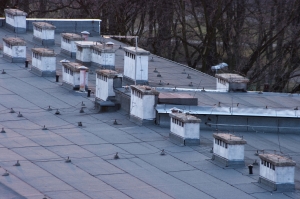
Your roof protects your people, equipment, and revenue. Catching problems early is the smartest way to avoid downtime and interior damage. If you manage a property in Nassau or Suffolk County, here are the subtle clues that signal it’s time to schedule commercial roofing repairs before a leak shows up.
Why Early Detection Matters for Long Island Businesses
On Long Island, roofs take a beating from coastal winds, heavy summer downpours, and freeze‑thaw cycles. Small defects can turn into big headaches fast. Early detection helps you protect inventory, prevent mold, and keep tenants happy. It also preserves warranties and extends the life of the system with targeted fixes instead of major replacements.
When you notice any of the warning signs below, have H. Klein & Sons, Inc document conditions and recommend next steps. Quick action often means a simple repair instead of a costly interruption.
Silent Red Flags Inside Your Building
Leaks do not always start as drips. Interior clues often appear first, especially in offices and retail spaces from Mineola to Melville. Keep an eye out for these signals and call a pro at the first sign of trouble.
- discolored ceiling tiles, bubbling paint, or wall streaks that return after storms
- musty odors near conference rooms, top-floor suites, or above warehouse racks
- HVAC rooms with damp insulation or rust around rooftop penetrations
- recurring ceiling “repairs” in the same area after heavy rain or snowmelt
- intermittent power or flickering lights near roof drains and mechanical chases
These symptoms often mean moisture is entering around seams, flashing, or penetrations. Water can travel before it shows up inside, so the wet ceiling may be 10 to 20 feet from the source. Do not ignore recurring stains; they usually point to an active pathway for water.
Roof Surface Clues You Can Spot From the Ground
You don’t need to climb a ladder to see many roof problems. A walk around your building in Garden City, Westbury, or Ronkonkoma after a storm can reveal a lot.
- ponding water that lingers longer than 24–48 hours on flat sections
- membrane blisters, ripples, or areas that look “alligator‑skinned”
- loose, bent, or missing metal edge flashing and coping
- vegetation or moss growth near drains or scuppers
- granule piles near downspouts on built‑up or modified bitumen roofs
One or two of these issues can be patched before they spread. Multiple symptoms across different roof areas can indicate aging materials, poor drainage, or mechanical damage from foot traffic and equipment service.
What Long Island Weather Does to Commercial Roofs
Our coastal climate creates unique wear patterns. Nor’easters drive wind‑blown rain under loose seams. Summer heat expands membranes by day and contracts them at night, stressing fasteners and flashing. Winter freeze‑thaw cycles open micro‑cracks that become entry points for water. Buildings near the South Shore also see salt‑air corrosion on metal details.
In Suffolk County’s wide‑open industrial parks, wind uplift can raise corners and edges first. In denser Nassau business districts, rooftop HVAC work often leaves unsealed penetrations. After any major weather event, schedule a professional inspection to document changes before small defects grow.
Common Trouble Spots That Lead to Leaks
Most leaks start at details, not in the middle of the field membrane. Here are the usual suspects we find on Long Island properties:
Flashing and edges: Open seams at parapet walls, coping joints, or base flashings are prime targets. Movement at building corners and around skylights or vents creates gaps that water exploits.
Drains and scuppers: Debris collects fast during leaf season. Standing water accelerates deterioration and adds weight, especially if snow follows a rain event.
Rooftop units and penetrations: Cable and conduit entries, pitch pans, and curb flashings are frequent leak sources after equipment service calls.
Walk pads and traffic paths: Unprotected foot traffic crushes insulation and wears membranes thin along service routes to HVAC units.
Performance Clues: Energy and Comfort Shifts
Rising utility bills in shoulder seasons may signal wet insulation or air leaks through the roof assembly. Humidity spikes, new drafts near top‑floor suites, or hot‑and‑cold spots can also point to a failing vapor barrier or open seams. While these issues are invisible from the ground, they are often confirmed during a professional infrared scan and moisture survey.
Want a deeper dive on routine care that prevents these issues? This related post covers inspections, minor fixes, and coatings: 3 important aspects of preventative maintenance for commercial roofs.
When to Call for Professional Commercial Roof Repairs
If you notice any of the warning signs in this guide, do not wait for an active drip. Ask H. Klein & Sons, Inc to complete a documented assessment, including photos and a prioritized repair plan. Many Long Island owners choose to handle high‑risk items immediately and then schedule remaining items during off‑hours to reduce disruption.
For targeted fixes by detail specialists, schedule trusted commercial roof repairs in Long Island, NY. A prompt repair protects your interiors and buys time to plan the next maintenance step.
How Preventive Maintenance Extends Roof Life
Business owners who keep up with maintenance see fewer surprises. Twice‑yearly inspections paired with light repairs often double service life compared to roofs that only get attention when they leak. In addition to stopping problems early, maintenance helps with documentation for warranties and insurance claims.
To build a proactive plan, learn more about ongoing care here: commercial roof maintenance. A consistent routine keeps drains clear, details tight, and membranes performing, whether your building is in Hicksville, Syosset, Hauppauge, or Patchogue.
What a Professional Roof Assessment Includes
Every roof is different, but a thorough assessment typically documents drainage, seams, flashings, penetrations, and surface wear. The crew will check edges and terminations, test suspect areas for moisture, and review rooftop traffic patterns. You will get photos, notes, and a clear next‑steps plan ranked by urgency and risk.
Here is what a well‑run service visit usually delivers:
- fast temporary dry‑in if weather is moving in
- permanent detail repairs at seams, edges, and penetrations where safe and feasible
- a prioritized scope for additional work and scheduling options
- documentation you can share with tenants, owners, or insurers
Local Context: Where Problems Tend To Show Up
In coastal zones like Long Beach and Freeport, salt spray and wind can loosen metal edges and corrode fasteners. In older warehouse districts near Farmingdale and Ronkonkoma, aging modified bitumen systems often show blistering and exposed laps. Office parks in Garden City and Lake Success tend to see clogged internal drains from seasonal leaf drop. Each area experiences different stress, but the solution is the same: early eyes on the roof and quick, professional repairs.
Choosing a Partner You Can Trust
Look for a commercial‑only team with documented safety practices and a track record across Nassau and Suffolk. Ask about manufacturer training, emergency response, and how they stage projects to keep entrances safe and loading docks open. Clear communication and photo documentation turn a stressful problem into a predictable plan.
For a quick overview of systems and services offered by H. Klein & Sons, Inc, start at commercial roof repairs in Long Island, NY and explore the options that fit your property type and schedule.
Act Before the Next Storm
Waiting for an interior leak risks damage to finishes, inventory, and electrical systems. If you noticed stains, lingering odors, ponding water, or lifted edges after the last nor’easter, schedule service now. A small repair today can save a weekend shutdown next month.
Ready to evaluate your roof? Contact H. Klein & Sons, Inc at 516-746-0163 and ask for a documented assessment with photos. If repairs are needed, our crew will handle them safely and efficiently so your business keeps moving.
To get ahead of leaks and protect your investment, book your slot for commercial roofing repairs before the next rain rolls through Long Island, NY.
To get ahead of leaks and protect your investment, book your slot for commercial roofing repairs before the next rain rolls through Long Island, NY by calling 516-746-0163 or completing our online request form.